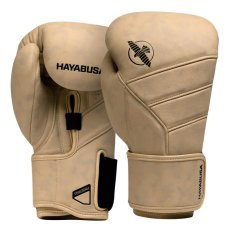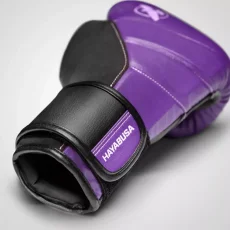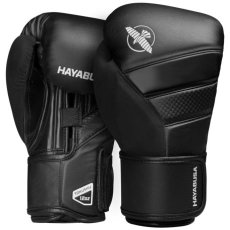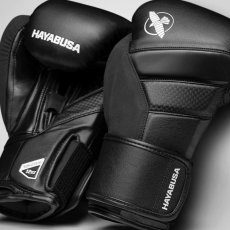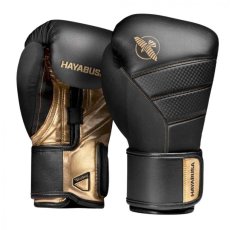

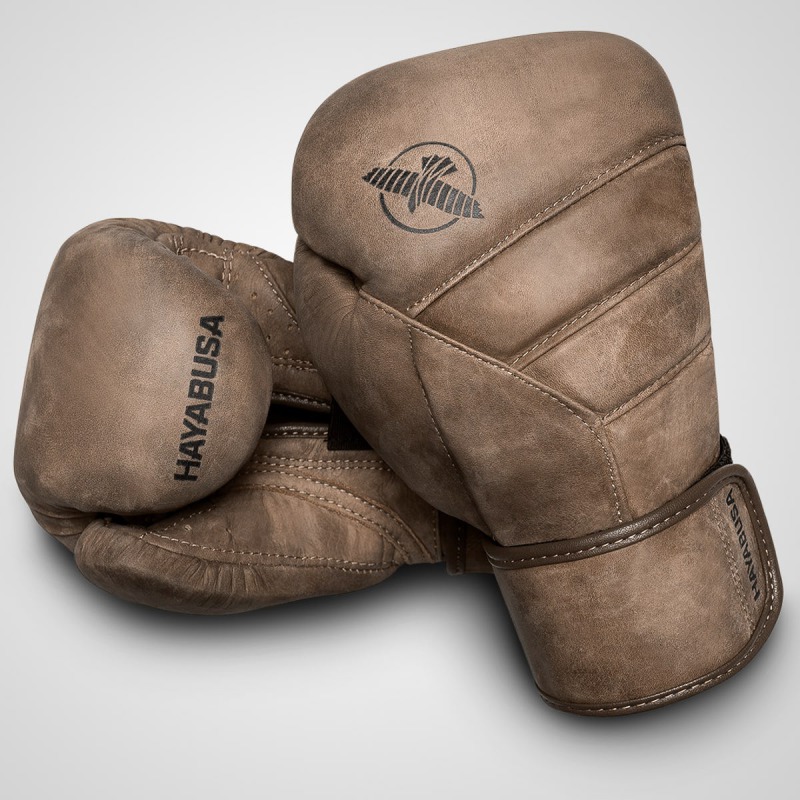
Hayabusa T3 LX Boxing Gloves - vintage
Please select an option
Variant does not exist
12oz 14oz 16oz
Original price 219 EUR. Save 10 % (21,90 EUR).
197,10 EUR
Hayabusa Key Features
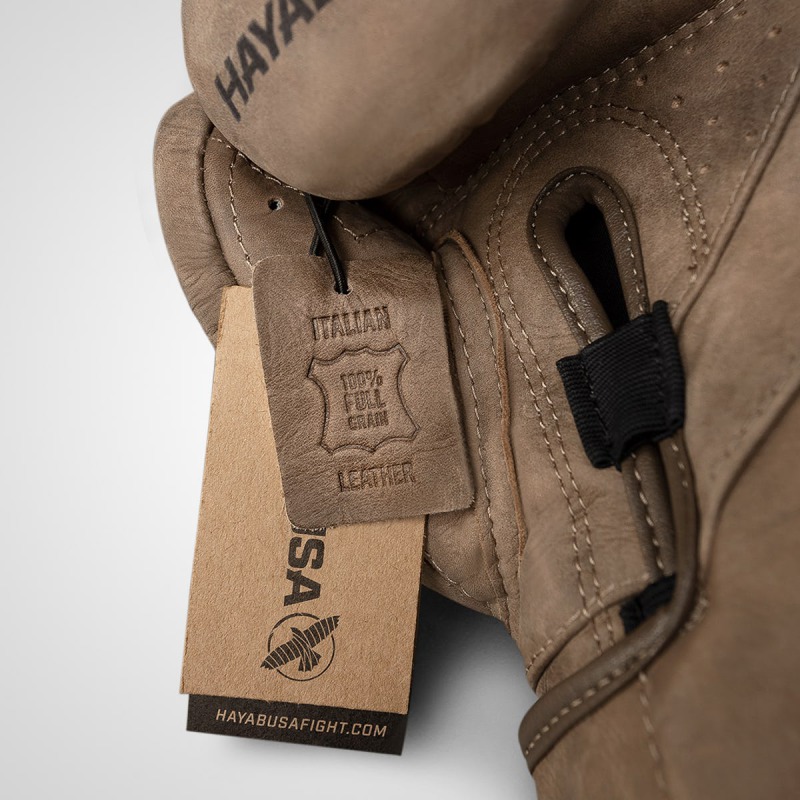
– Full-grain Italian leather
– Dual-X® closure
– 4x Fusion™ Splinting
– Multi-layer Deltra-EG™ foam
– Perforated palm, grip bar
More info
Product code: P00070 Shipping and Payment

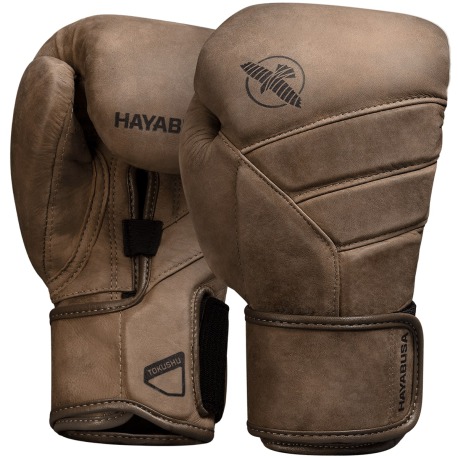
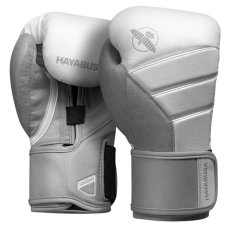
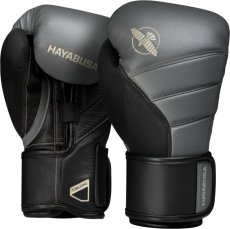
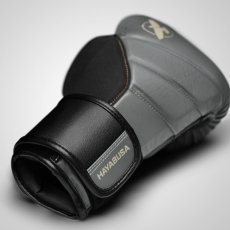
Hayabusa T3 LX Italian Leather Boxing Gloves

On a hard punch, your wrist can buckle sideways before you even feel it. That's how sprains happen – the kind that keep you out of training for weeks. Hayabusa T3 LX solves this problem through construction, not extra padding – and pairs it with full-grain Italian leather. Hayabusa describes the T3 line as two-time award-winning “best boxing gloves”.

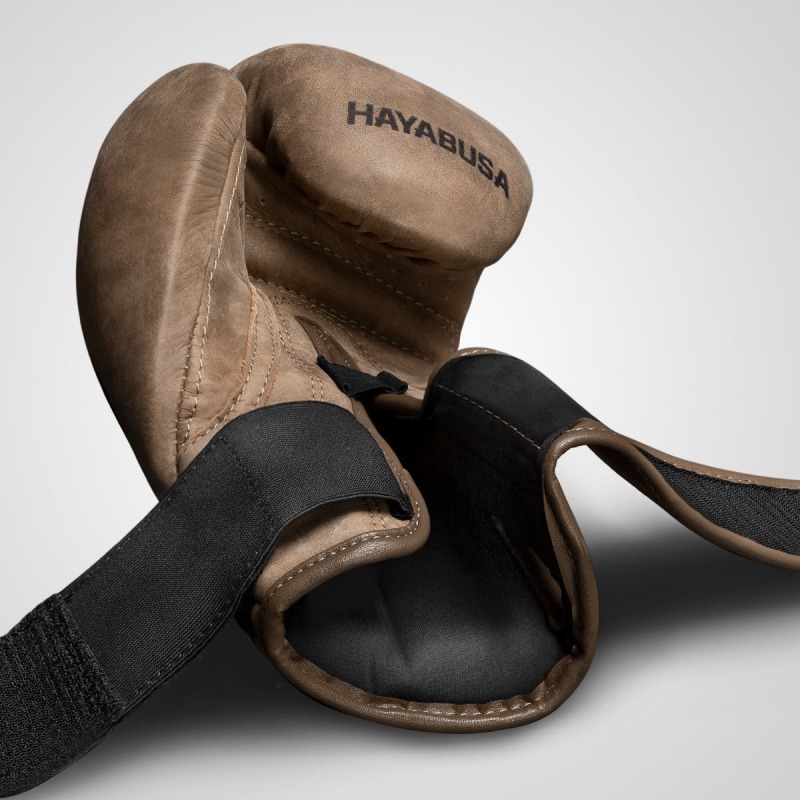
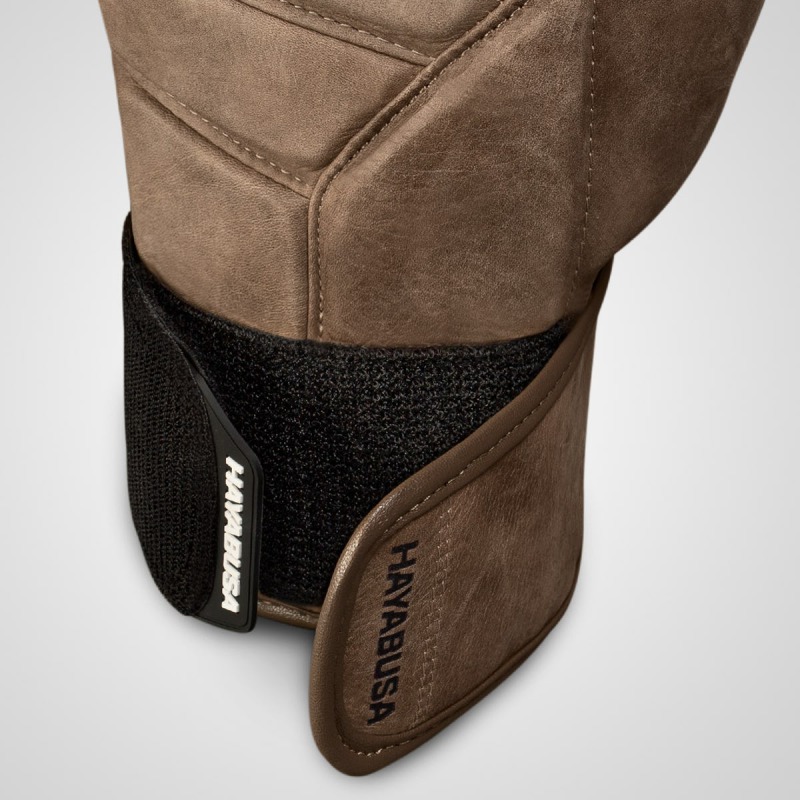
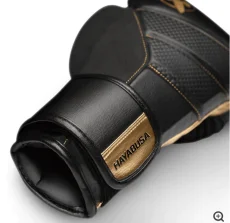
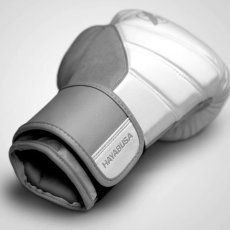
Wrist locked in line. The Dual-X® system works together with 4x Fusion Splinting® to support your wrist. Two interlocking straps close against each other while the splints keep your wrist aligned with your forearm. Your hand stays stable even when a punch isn't technically clean.

Knuckle protection. Over the knuckles sits Deltra-EG®, a multi-layered technology foam that reliably absorbs impact and protects your knuckles.

Italian leather with character. The exterior is full-grain Italian leather crafted by skilled artisans. Natural marks in the grain aren't defects but a characteristic of the material, so every pair looks a little different. With every session the leather develops a patina, so your gloves age with you.

Comfort through long rounds. Inside is an ultra-soft lining, and the thumb is attached in an ergonomic position. The perforated palm releases heat, while the grip bar helps you close your fist the same way every time.

Specifications

Material: Full-grain Italian leather
Lining: Ultra-soft
Closure: Dual-X®, two interlocking straps
Wrist Support: Dual-X® + 4x Fusion Splinting®
Padding: Deltra-EG® multi-layered foam
Thumb: Attached, ergonomic position
Palm: Perforated, with grip bar
Weights: 12, 14 and 16 oz
Level: Intermediate to advanced – bag, mitts, sparring

Size Chart

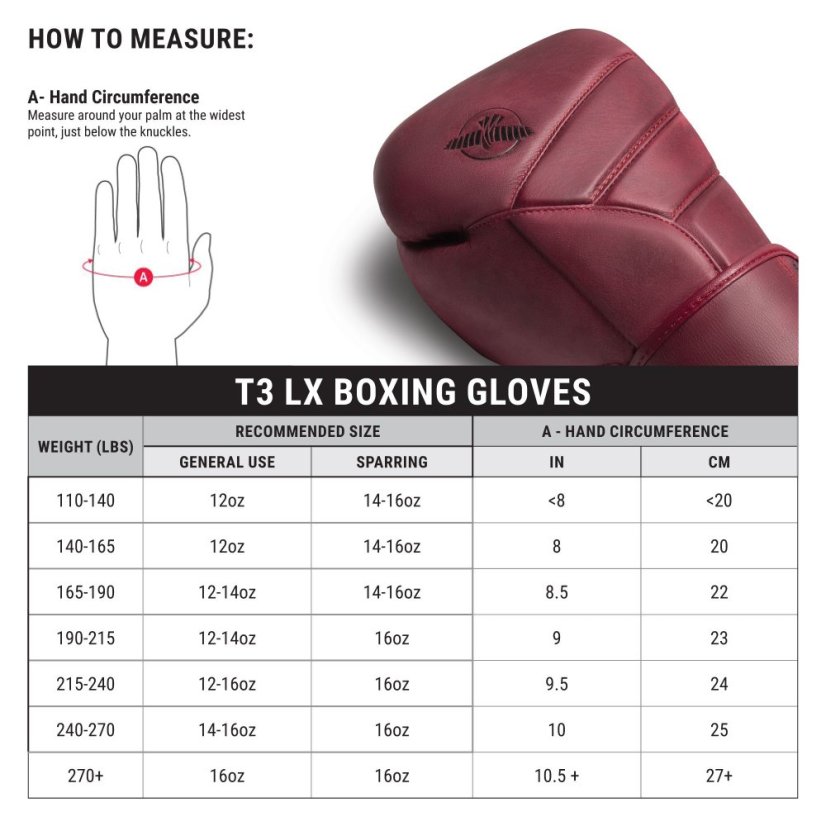
Measure around your palm at the widest point, just below the knuckles. This model comes in 12, 14 and 16 oz, so where Hayabusa recommends a lighter or heavier weight, go with the closest available size.

Body Weight Training Sparring Hand Circumference
110–140 lbs (50–63 kg) 12 oz 14–16 oz under 8" (20 cm)
140–165 lbs (63–75 kg) 12 oz 14–16 oz 8" (20 cm)
165–190 lbs (75–86 kg) 12–14 oz 14–16 oz 8.5" (22 cm)
190–215 lbs (86–98 kg) 12–14 oz 16 oz 9" (23 cm)
215–240 lbs (98–109 kg) 12–16 oz 16 oz 9.5" (24 cm)
240–270 lbs (109–122 kg) 14–16 oz 16 oz 10" (25 cm)
270+ lbs (122+ kg) 16 oz 16 oz 10.5"+ (27+ cm)

Frequently Asked Questions (FAQ)

What glove weight (oz) should I choose?

It depends on your body weight and training type – see the chart above. For bag and mitt work, go lighter so the glove stays fast and gives you more feedback. For sparring, always go heavier: your partner's protection matters as much as yours.

Can I use them for sparring and bag work?

Yes, they're built for heavy bag, mitts and sparring. Hayabusa recommends them for intermediate and advanced fighters – those whose punching technique is already solid and who mainly want wrist support from their gloves. If you're in your first months of training, a more affordable line will protect you just fine.

What does full-grain leather mean?

It's the highest-quality type of leather: the entire top layer of the hide is used and isn't sanded down. That makes it the strongest, keeps it breathable and lets it develop a beautiful patina over time.

Why does every pair look slightly different?

Full-grain leather carries natural marks that formed before processing. According to Hayabusa, they're an original characteristic of the material, not a defect. Shade and grain pattern therefore vary from pair to pair.

What are the perforated palm and grip bar for?

The perforations let heat and moisture escape, so your hands sweat less. The grip bar is a firm bar you wrap your fingers around when making a fist, so your fist closes into the same shape every time.

How do I care for leather gloves?

After training, wipe them down and let them air-dry open at room temperature. Direct heat and long storage in a closed bag, where moisture lingers, damage leather. Salt from sweat is harder on leather than the punches themselves.

Parameters
Product Line T3
Material Real leather
Weight of gloves 12oz, 14oz, 16oz
Color Brown
Sport Box, Kickbox, Muay Thai
Target For men, For women
Usage Training

Caring for boxing gloves, hand wraps and gel gloves

Gloves are ruined by moisture, not by punches. Sweat stays in the padding, breaks the material down from the inside and creates an odour that is very difficult to remove. Poor care shortens the lifespan considerably, while a few minutes after training extends it. Always check the instructions for the specific product as well, the manufacturer's guidance takes precedence over general recommendations.

How to dry boxing gloves after training
Right after training
  • Take the gloves out of your bag, don't leave them in there overnight.
  • Undo the velcro and open the gloves as wide as they will go.
  • Wipe the lining out with a dry cloth or kitchen paper.
  • Stand them opening down so the moisture can drain out.
At home
  • Dry at room temperature, ideally somewhere with moving air.
  • Expect full drying to take up to a whole day, depending on the material.
  • Training daily? Rotate two pairs, a single pair won't dry in time.
Never dry gloves on a radiator, in direct sun or with a hairdryer. Heat dries out the leather, warps the foam padding and damages glued seams.
What to do about smelly boxing gloves

The smell comes from bacteria multiplying in damp padding. There are three steps and each one solves something different.

1. Removing the moisture
  • Put a bamboo charcoal moisture absorber inside the gloves.
  • Leave it in between sessions, it draws the remaining moisture out of the padding.
  • Air the pouches out in the sun once a month, which regenerates them.
2. Dealing with the bacteria
  • Spray the lining with a sports equipment spray, ideally after every session.
  • Let it dry and don't close the gloves up straight after spraying.
3. Prevention
  • Always train in hand wraps or gel gloves, they absorb the sweat instead of the padding.
  • Wash wraps and gel gloves after every use, otherwise the smell goes straight back in.
Once the smell has soaked into the padding, it is practically impossible to get out. Prevention is the only thing that reliably works.
How to wash hand wraps

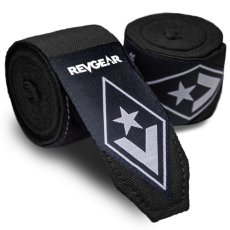
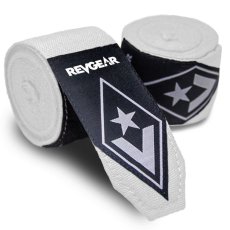
Wraps are your gloves' first line of defence. They catch the sweat before it reaches the padding, but only if they are clean and dry.

Washing
  • Wash them after every session, not after the third one.
  • Fasten the velcro and put them in a mesh laundry bag, otherwise they tangle.
  • Wash cycle up to 40 °C, delicate or sports programme.
  • No fabric softener, it clogs the fibres and the wraps stop absorbing sweat.
  • Don't use bleach, it breaks down the elastic fibres.
Drying and storage
  • Dry them unrolled, hung up or laid out flat.
  • Not in the tumble dryer, heat destroys the elasticity.
  • Only roll them up once they are completely dry, a damp rolled wrap will go mouldy.
  • Store them rolled rather than crumpled, they go on faster next time.
Keep at least three pairs in rotation. One on your hands, one in the wash, one dry in your bag.
When to replace them: the wrap has lost its stretch and no longer tensions as you wind it · frayed edges · the velcro doesn't hold · odour that stays after washing.
Gel gloves and inner gloves

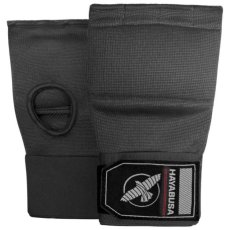
Gel gloves take less abuse than textile wraps. The gel insert is sensitive to heat and to the strain of a washing machine.

Cleaning
  • Hand washing in lukewarm water with a little delicate detergent is the gentlest option.
  • In the machine, only in a mesh bag, on a cold or delicate cycle up to 30 °C.
  • Never bleach or fabric softener.
  • Don't wring or twist them, the gel separates from the backing.
Drying
  • Dry flat at room temperature.
  • Never in the dryer, on a radiator or in the sun.
  • Heat makes the gel soften, deform and lose its cushioning.
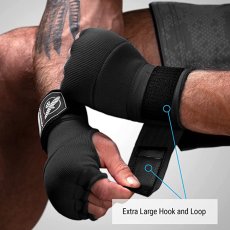
Gel gloves don't replace wraps for hard training and sparring. They don't stabilise the wrist the way a properly wound wrap does.
When to replace them: the gel has hardened, cracked or is peeling away · the insert slides off the knuckles · the fabric has stretched and the glove no longer stays put.
Outer material care
Genuine leather
  • Wipe with a damp cloth after training, this removes sweat and salt.
  • Treat with leather conditioner every two months.
  • Without care, leather dries out, hardens and cracks at the seams.
Synthetic leather and PU
  • A damp cloth is enough, no conditioner needed.
  • Don't use harsh cleaners or alcohol, they attack the surface layer.
Velcro
  • Clear lint and hair out of it regularly, otherwise it stops holding.
  • Keep it fastened in storage so it doesn't clog up.
Choosing the right glove type for your training

Most gloves aren't ruined by poor care but by the wrong use. Each type has different padding and a different purpose.

  • Sparring gloves – softer, bulkier padding that protects your partner. They wear out fast on the bag.
  • Bag gloves – firmer, more compact padding that stands up to thousands of strikes on hard surfaces.
  • Training gloves – the compromise for everyday training, technique, pads and light sparring.
  • MMA gloves – open fingers, minimal padding. Not a substitute for boxing gloves.
  • Competition gloves – for fights only, the least padding and the shortest lifespan.
Sparring gloves used on the heavy bag are the most common reason padding flattens prematurely.
Kids' boxing gloves
  • The care routine is the same, children just don't remember it on their own, so set up a routine after training.
  • Check the size every season, gloves that are too small pinch and restrict wrist movement.
  • Don't buy significantly larger ones in advance, the glove has to fit around the fist.
  • Put a moisture absorber in the bag, children's gear stays in there the longest.
What to avoid
  • Washing machine and dryer for gloves – this ruins the padding and the shape beyond repair
  • Radiators, direct sun, hairdryers, car heating
  • A closed sports bag overnight
  • Storage in a cellar, garage or any other damp space
  • Training without wraps or gel gloves
  • Sharing gloves between several people
When to replace boxing gloves
  • You feel your knuckles on impact, the padding no longer cushions
  • The padding has flattened and feels hard or uneven
  • Cracks in the material, seams coming apart
  • The velcro no longer holds the wrist firmly
  • The odour stays even after cleaning and drying
How long gloves last depends on how often and how hard you train, the type of impact and the material. Poor care shortens it considerably.
Manufacturer Hayabusa Fightwear Inc.
Address 677 Innovation Dr. Unit 9, Kingston, ON K7K 7E6, Canada
Email customerservice@hayabusafight.com
Manufacturer's representative in the EU ED European Distribution GmbH
Address of representative in the EU Kettelerstraße 12, 97222 Rimpar, Germany
EU representative email info@europedistribution.com
%s ...
%s
%image %title %code %s
%s